
%20(1).png)
Celebrating biodiversity in East London’s wetlands and post-industrial landscapes
Sustainability Research Institute, University of East London

As the International Day for Biological Diversity approaches on 22 May, it is worth reflecting on the remarkable ecological richness that exists much closer to home than many people realise.
Biodiversity is often associated with remote rainforests, protected national parks, or rural wilderness. Yet some of the UK’s most fascinating ecological landscapes can be found within cities, including here in East London.
The wetlands, marshes, canals, brownfield sites and post-industrial landscapes surrounding the lower Thames and Royal Docks form a complex urban ecological mosaic supporting a wide range of species and habitats. These landscapes remind us that biodiversity can flourish wherever environments become diverse, dynamic and interconnected.

Biodiversity beyond species counts
Biodiversity is about far more than simply counting species. It exists across multiple scales, from genetic diversity within populations to the diversity of species, habitats and ecological interactions across entire landscapes.
What makes East London especially interesting is the variety of habitats compressed into a dense urban environment. Reedbeds, tidal mudflats, canals, marshes, grasslands, scrub and post-industrial sites create interconnected habitats that support birds, pollinators, aquatic species, plants and invertebrates.

These ecological mosaics are important because different species depend on different environmental conditions. Variation within landscapes including wet and dry areas, shaded and exposed ground, permanent and temporary water, and disturbed and established vegetation, creates opportunities for biodiversity to thrive.
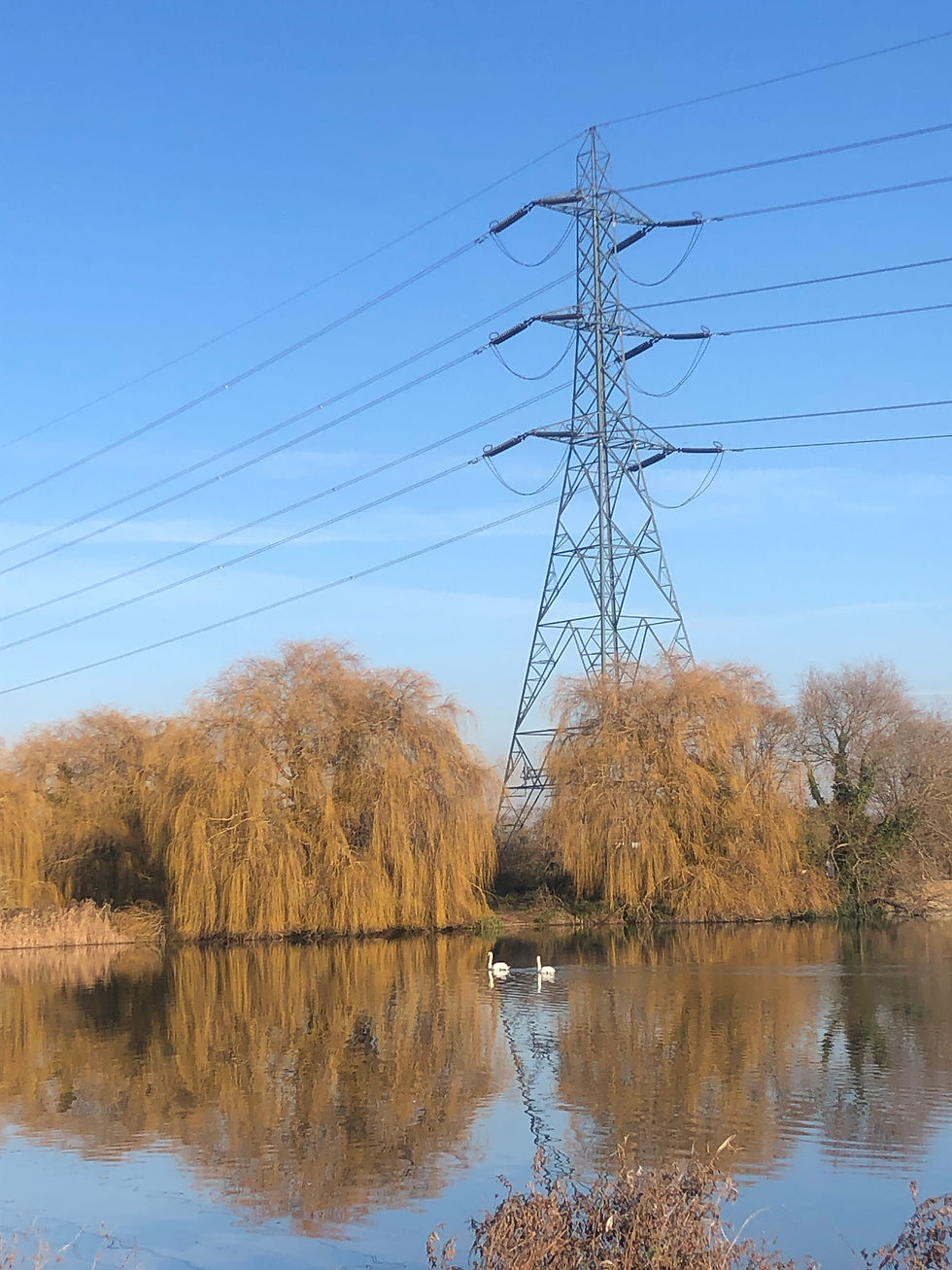
The hidden ecological value of post-industrial landscapes
Some of East London’s most ecologically valuable spaces are also among the most overlooked. Brownfield sites and former industrial lands are often seen as empty or derelict spaces awaiting redevelopment. Yet, ecologists increasingly recognise that these landscapes can support surprisingly rich biodiversity.
Disturbed soils, rubble, shallow pools and spontaneous vegetation create habitats for pioneering plant species, pollinators and birds adapted to dynamic environments.
What may initially appear untidy or neglected can contain an extraordinary diversity of microhabitats.
These landscapes challenge conventional assumptions about what urban nature should look like. Biodiversity does not only emerge in carefully managed parks or pristine wilderness. It can also thrive within the layered and evolving landscapes shaped by industry, water and ecological succession.

Rewilding and the future of urban biodiversity
Exciting rewilding initiatives like the London Wildlife Trust’s “Rewilding East London” species recovery project are helping to reimagine the ecological future of East London. Plans to reintroduce species such as beavers and white storks highlight growing interest in restoring ecological processes within urban and peri-urban landscapes.
Beavers are especially significant because they are considered a keystone species and ecosystem engineers. By reshaping waterways and creating wetlands, they increase habitat complexity and create ecological conditions that support many other species.
The return of beavers and white storks to East London reflects a broader shift toward understanding biodiversity not as something static, but as something dynamic and interconnected.
Biodiversity, resilience and coexistence
Urban wetlands and marshes are increasingly recognised not only for their ecological value, but also for the important functions they provide for climate resilience and human wellbeing. Wetlands can store water during heavy rainfall, help cool the local environment during heatwaves, improve water quality and provide accessible nature-rich spaces for communities. In this sense, biodiversity and urban resilience are deeply connected.
East London’s landscapes demonstrate that cities are not separate from nature. They are living ecological systems where human and natural histories continue to interact.
On this International Day for Biological Diversity, our local wetlands, marshes and post-industrial landscapes offer an important reminder: biodiversity is not confined to distant wilderness. It is already present within the waterways, reedbeds, brownfields and overlooked spaces of the city around us and we need only take the time to notice it.


Comments